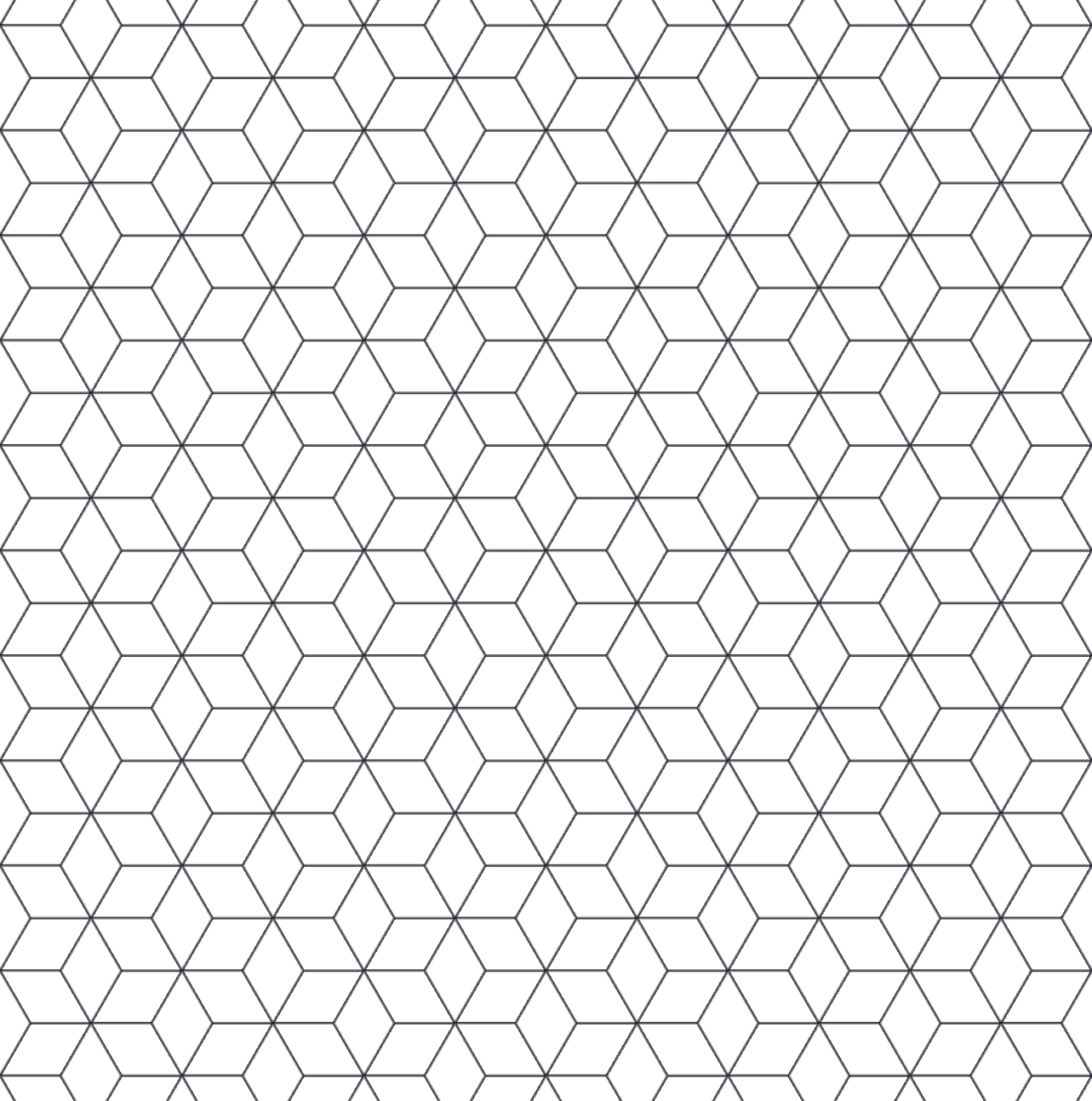
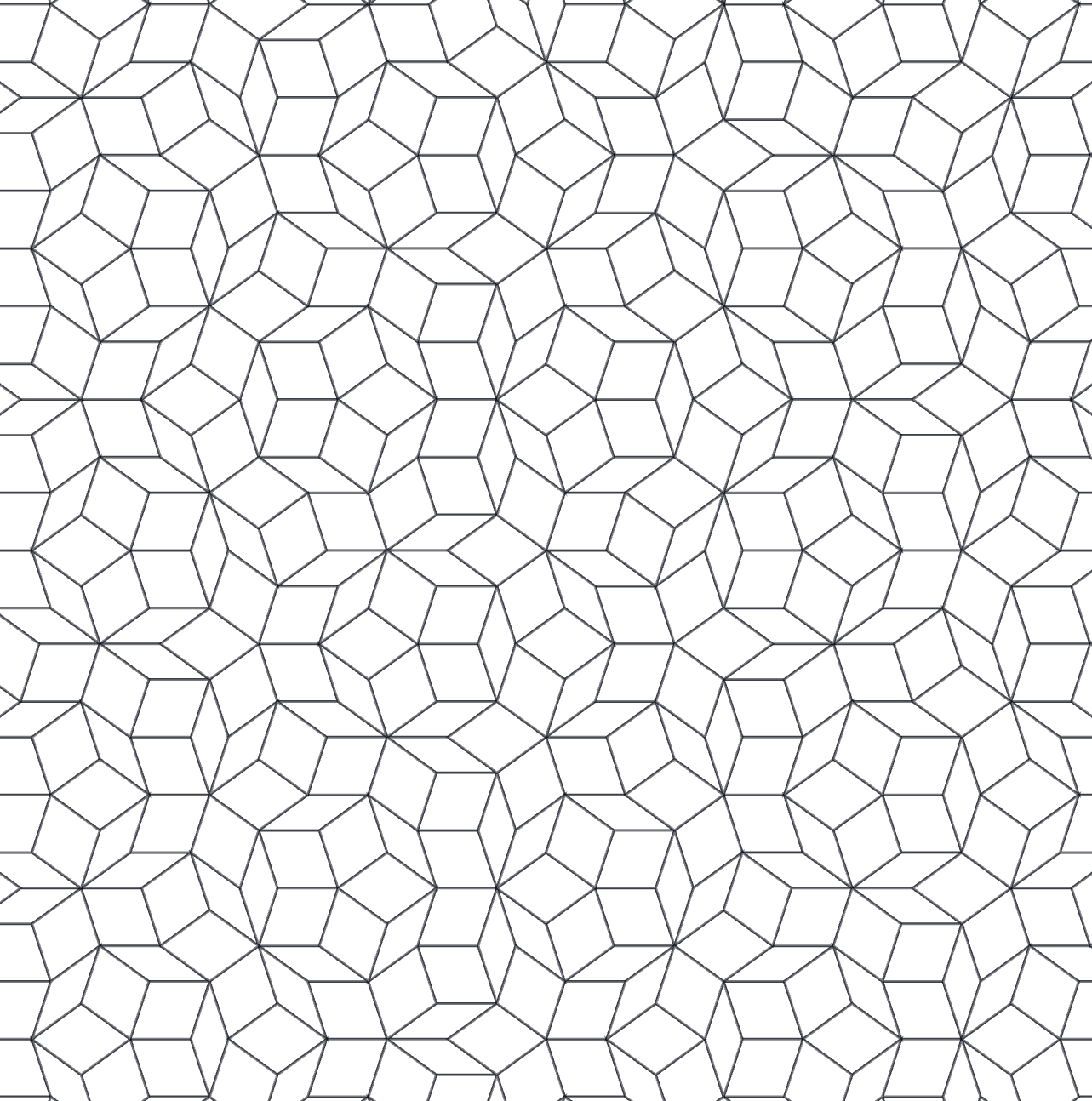
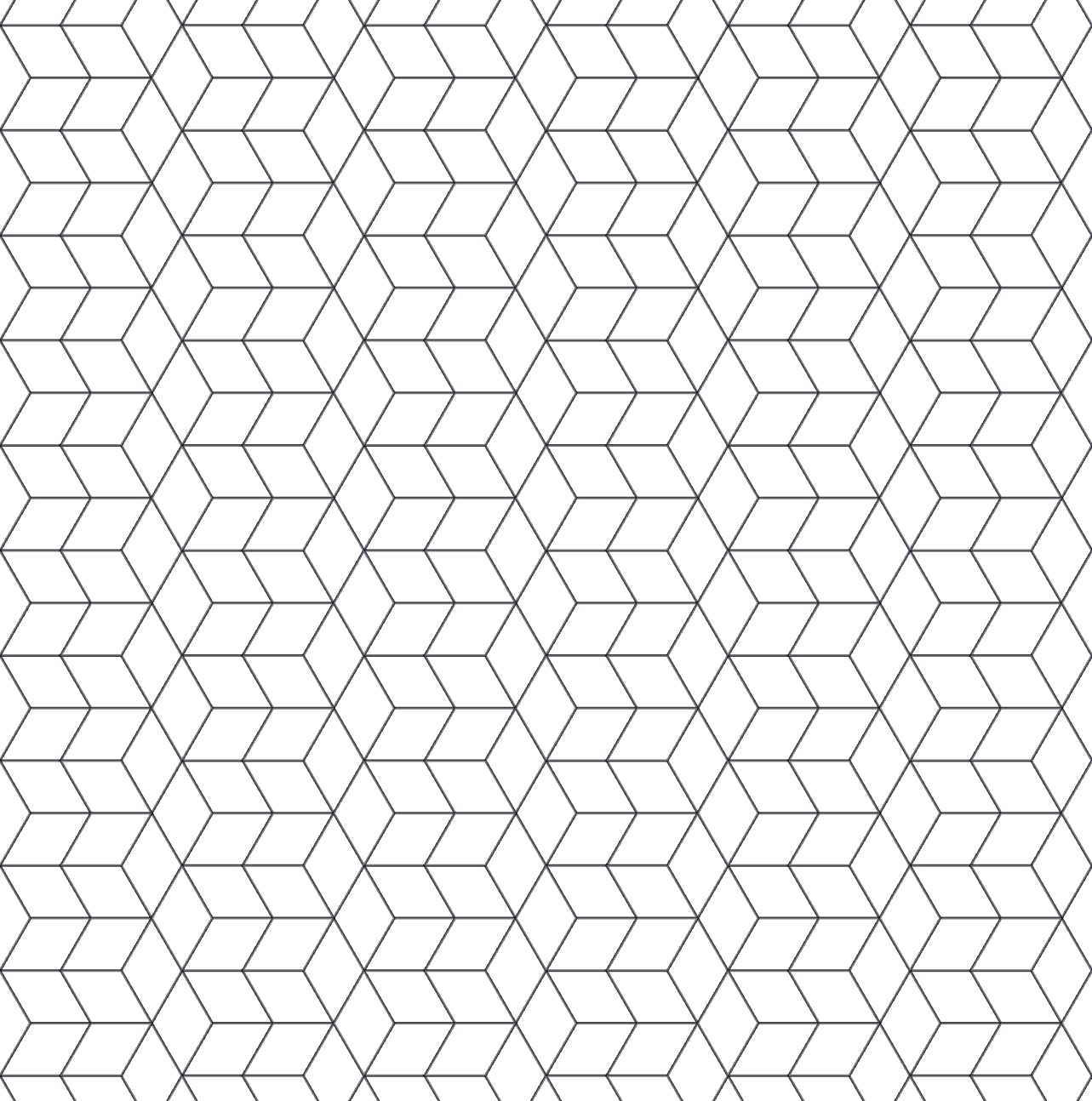
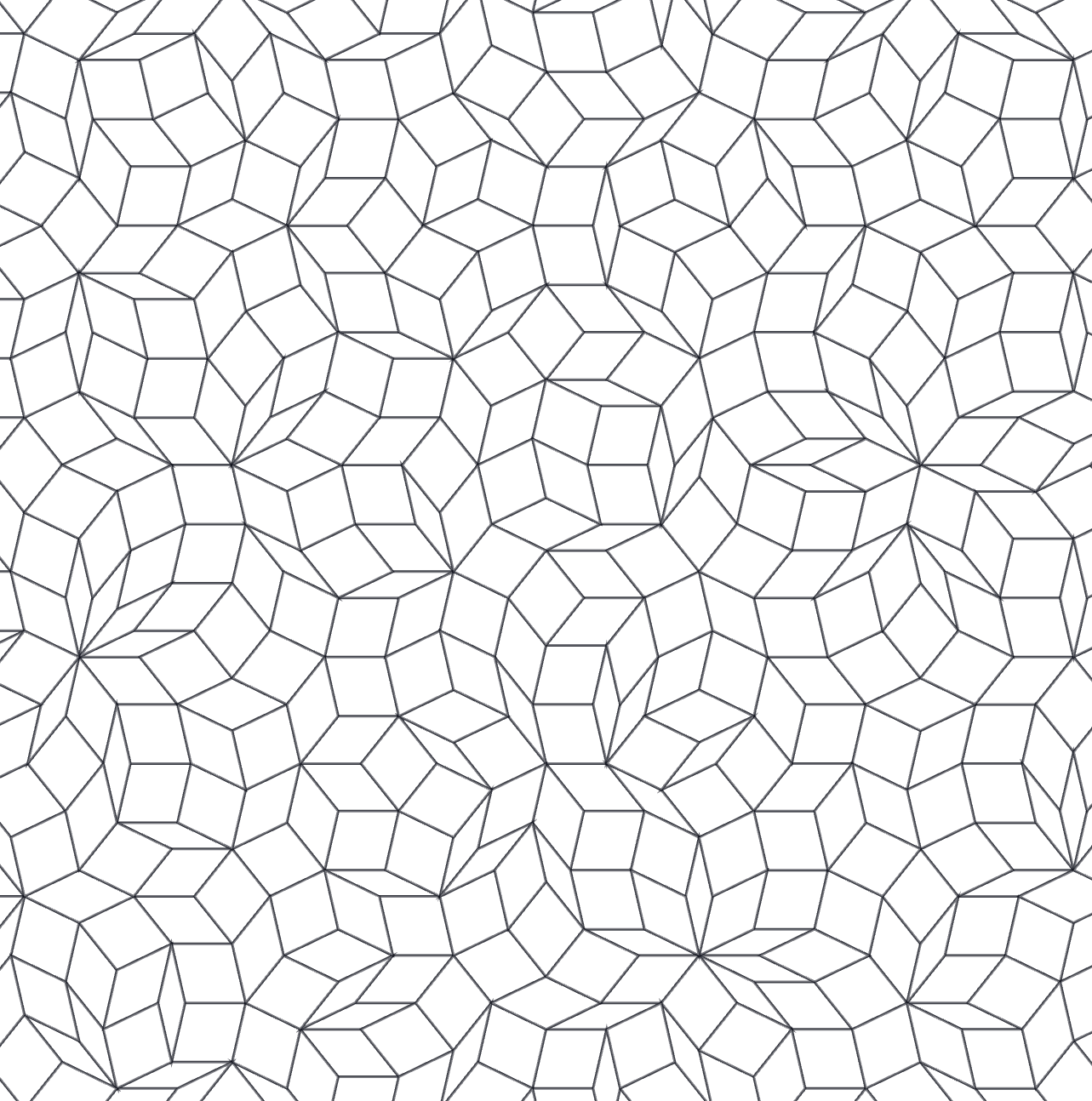
Penrose III
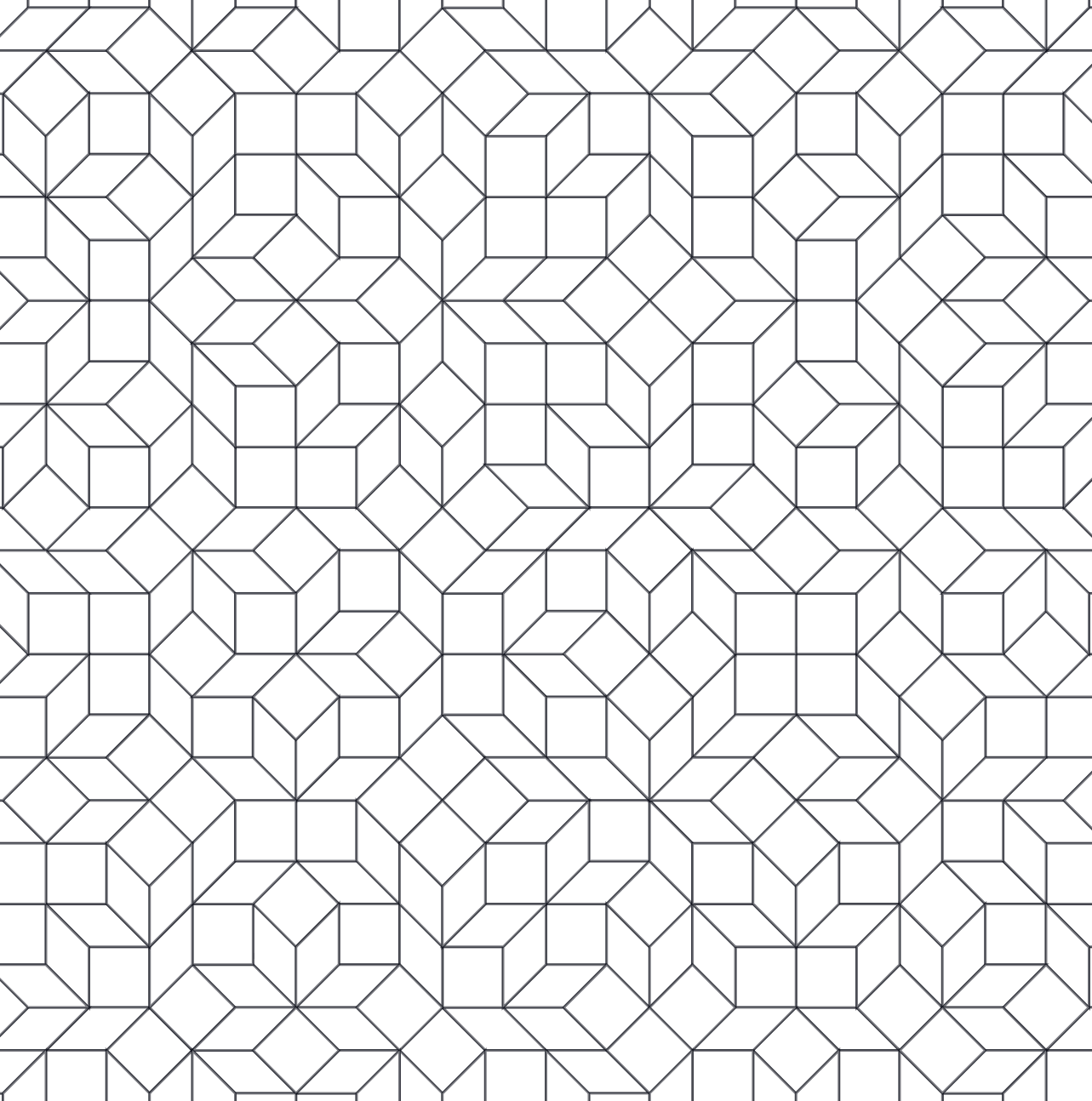
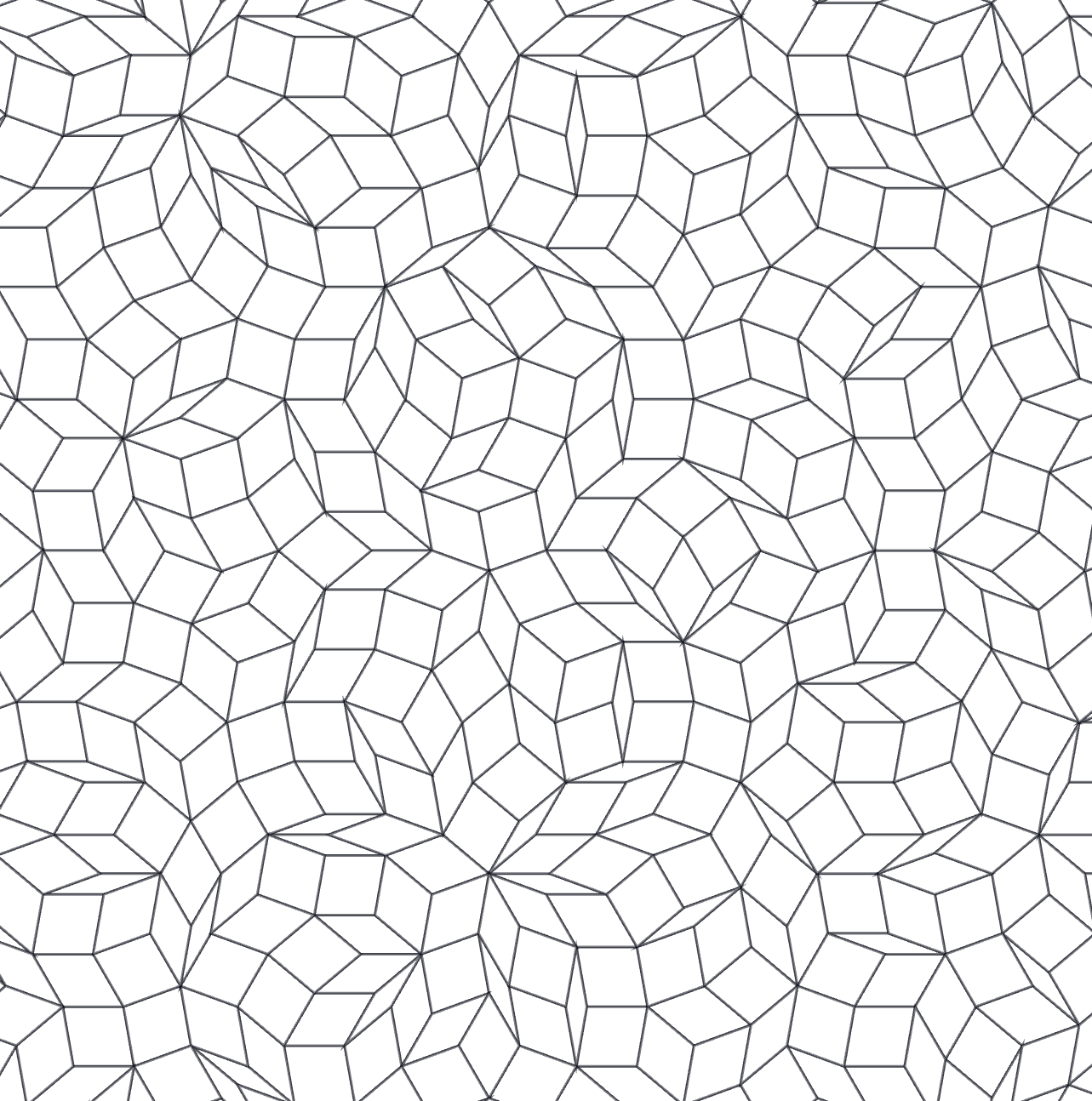
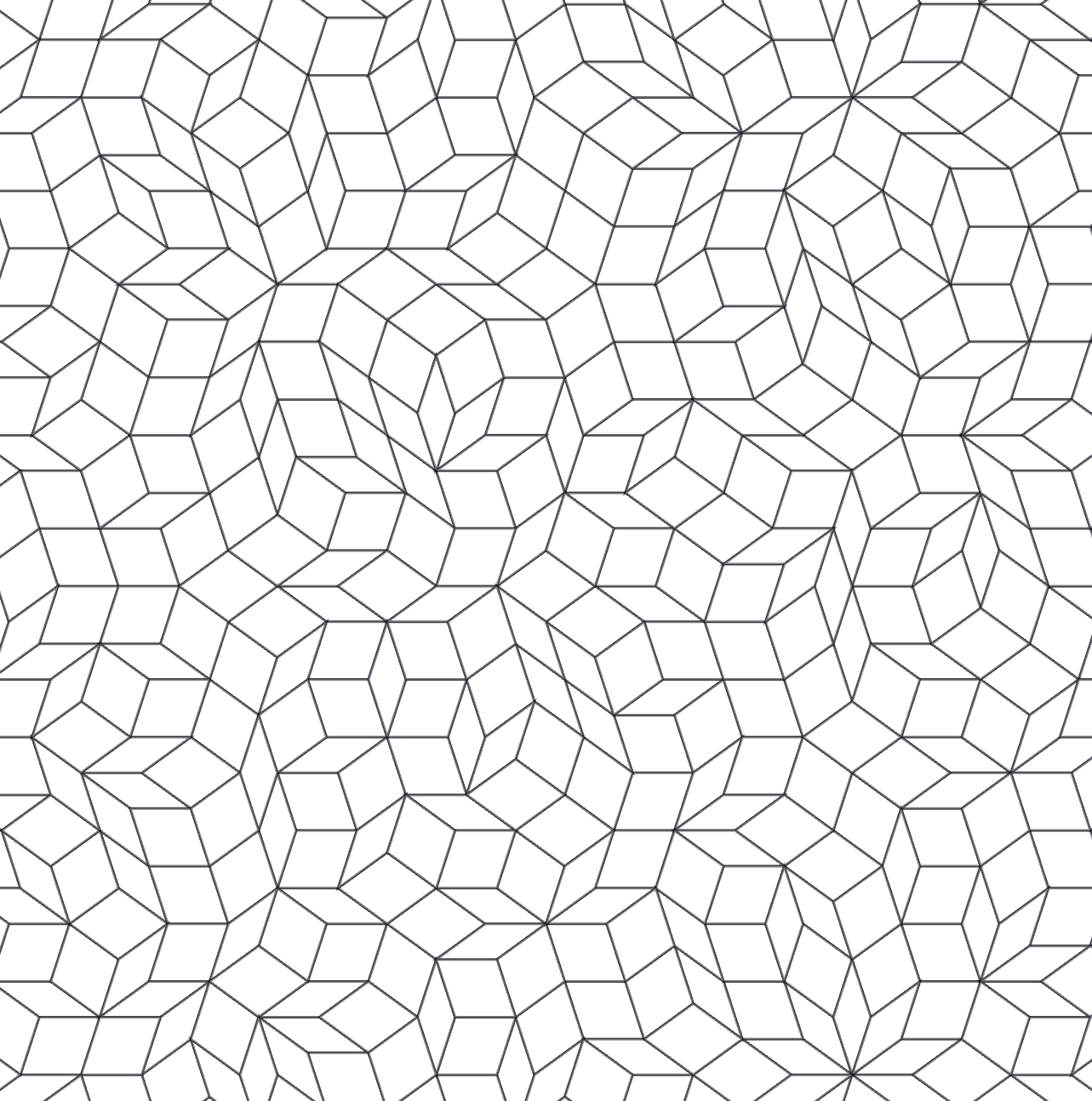
There is the third post I have about drawing Penrose tiling. The previous two are Penrose and Penrose II. There are three things that are different in this third version. First, the algorithm in this version draws the rhombuses directly, instead of moving them to form a tiling (like Penrose II). Second, the code in this version was written by Codex with very few instructions. I mainly just told it to use the de Bruijn’s method. And it was able to search the web and used its common sense knowledge to get the correct implementation. I found this quite impressive given that I had to give Claude Code step-by-step instructions in Penrose II. Lastly, we can adjust a hyperparameter (the number of families) to get different tilings using the same algorithm. You can try it yourself here. Just use the arrow keys to see the effects. Below are the tilings with the number of families range from three to ten. When it is three, four, six, and eight, the generated tilings are periodic.